A Classics Calendar: Part II
Welcome back to my Classics recommendations! Last week was the first half of the year, and now I’ve got July through December all thought out for ya. So, let’s get to it.
July

Please, no one come for me, when I state that summer is the worst season. Everything is hot and sticky and buggy. You cannot convince me that the best day in July is better than an average day in January. You just can’t.
The summer drives me crazy, so why not spend some time with other “crazy” folks in One Flew Over the Cuckoo’s Nest by Ken Kesey?
You spend all your time, in this story, in a mental hospital and with one group of guys in a particular ward. The narrator happens to be one of the wardmates caught up in great drama when a newcomer, the bold and rebellious Randle McMurphy, comes on the scene and clashes with Big Nurse Ratched. While it seems it’s mostly fun and game, hijinks in a battle between these patients and the people who are supposedly caring for them, this story takes a serious turn that leaves everyone (maybe even you, reader) reeling.
This book was published in 1962, and it’s definitely meant to reflect the state of psychiatric care in America at that time. Kesey actually worked at a mental healthcare facility so had first-hand experience with patients and talked to them about their experiences. And, if you look into who Ken Kesey was, you will find out he was quite the colorful character of the 60s. Like, so much LSD and hanging out with the Grateful Dead. Also, for my fellow Stranger Things fans, Kesey participated in Project MKUltra, hence all the LSD. There’s a fun fact for ya.
The bonus activity attached to this read is that, once you finish, you can beat the heat by having an at-home movie night to watch the adaptation starring Jack Nicholson that came out in 1975.
August
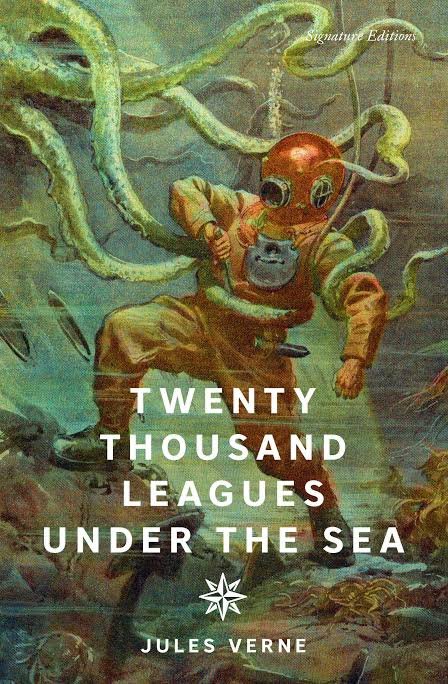
Unfortunately, August is another one of those darn summer months that I have little patience for. It can be the last hoorah of the season before school starts up again or festivities of the fall ramp up, though, so I’ve picked a book that could serve as a little getaway. You may want an adventure as you read at the beach, or you may just be like me and want an escape that is going to, mentally, get you as far from miserable weather as possible.
Go ahead and travel Twenty Thousand Leagues Under the Sea (Verne) then.
Jules Verne is known for his adventure tales, and it’s up for debate whether he or H.G. Wells can actually claim the title of “Father of Science Fiction.” You may be familiar with him through his Around the World in Eighty Days, especially if, as a kid, you watched Mickey Mouse take on the role of Phileas Fogg and Goofy as his sidekick. While that’s also a fun tale, I enjoyed this other story better.
As you can glean from the title, the plot unfolds on and in the water. The twenty thousand leagues aren’t how deep the characters are submerged but, rather, the distance they end up traveling around. And those character are, chiefly, Professor Pierre, harpooner Ned Land, manservant Conseil, and the strange Captain Nemo. Everyone, minus the latter, is sent on an excursion to track down what is believed to be a sea monster only to discover the “sea monster” is, in fact, a futuristic submarine, the Nautilus. Underwater adventure—and danger—ensue from there.
Dual points of intrigue emerge because 1.) something new and previously unimaged happens every day and 2.) Captain Nemo is increasingly odd and ominous, so it’s less of an unexpected pleasure cruise for our little gang and more of a prisoner situation. They have to hatch an escape plan, but how do you do that when you’re stuck in a submarine?
The sub is also a highlight for readers. This story was serialized from the spring of 1869 to the summer of 1870, and submarines, at that time, were pretty primitive. How Verne has described Captain Nemo’s vessel is very accurate to modern subs, which is impressive. Apparently, he was inspired by the first mechanized submarine that he saw at the 1867 Paris Exposition.
On the note of serialization, this could be a good opportunity to try reading a book through that kind of pacing/schedule. It would mean, starting in August, that you wouldn’t finish it within the year, but it’d make for an interesting reading experience. Just this year, my mom and I are buddy-reading Great Expectations (Dickens) little by little, week by week, as it was originally serialized. To be honest: I struggle with reading it regularly and end up catching up on weeks at a time, but my mom has really enjoyed this structure. She says it’s a good way to make it through what are considered dense or wordy stories. You just follow the serialized schedule and get the story one or two chapters at a time. A great way, too, to recruit a buddy to tackle a Classic with you.
September
The first of the ‘ber months! The start to what is the best time of the year! Summer’s still trying to hang on just a wee longer, but the wind tells me of the change right around the corner. I swear, I can smell October and lovely autumn in the air the minute we slip over into September 1st.
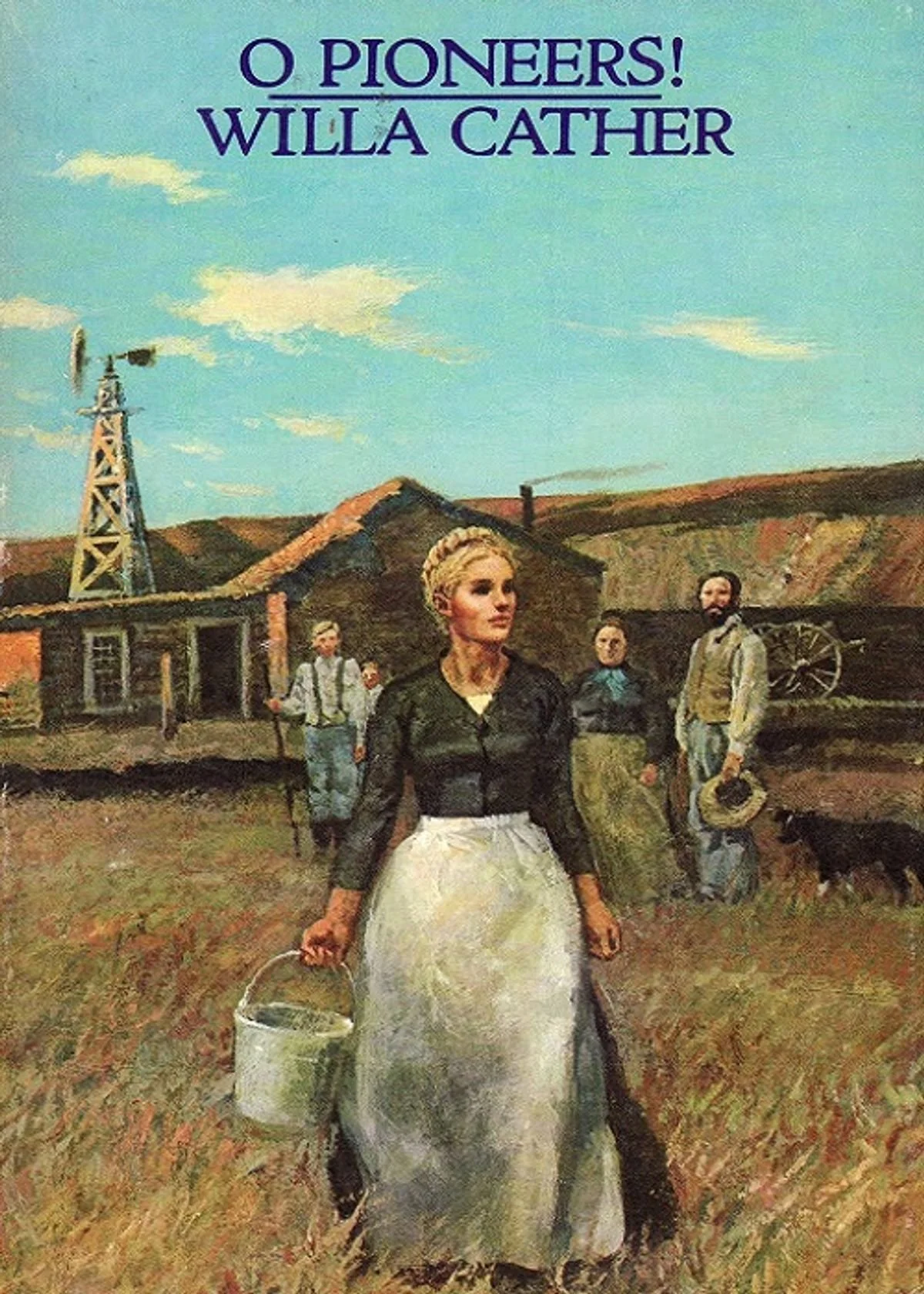
It’s the change, though, that marks this month. Here, in the second half of the year, there’s fresh starts. In the new school year beginning. In gardens, fields, being harvested and, thus, the soil entering a period of rest and renewal. Change, not at the end of a year that’s seen all the seasons and traditions, which feels most natural, but in the midst of things. May I suggest, for this mood, O Pioneers! by Willa Cather?
This book is the first in Cather’s Great Plains Trilogy, of which the third installment, My Ántonia, is probably the most famous. Cather grew up in Nebraska and moved away in her early twenties; those formative years growing up in a frontier, prairie state really left an impact on her, and you can see it in her writing.
O Pioneers!—a book that gets its title from a Whitman poem—features the Bergson family. The Bergsons are Swedish immigrants who farm in Nebraska, and the main character is the daughter who inherits the property upon the death of her father. As much as it is a story of one family trying their best to make a go of things when other immigrant families are up and leaving, it’s also about two instances of romance, one being that of Alexandra and her love interest and the other concerning her brother, Emil.
What I love so much about all of Cather’s works, this one included, is how she captures sense of place quite exquisitely. You can see the land, feel what it’s like to be there, and, what’s more, grasp a yearning for it, too. Much like how Betty Smith, with her stories of Brooklyn girls, seemed to write from her own life, Ms. Cather writes in that same vein. She knows the prairie because she grew up on it. With her stories, she invites you to get a taste of what that place was to her and to so many. There’s a certain nostalgia at play, which is also perfect for the ‘ber months.
October
I’m going to deviate from my format with this month because, in a way, October is similar to January. Meaning: this month is often received in two ways. For January, I could recommend one book that reached both mindsets; however, for October, I’m not doing that. So, the cozy, warm, feel-good vibes will be attended to, as will the spooky and eerie and dreary.
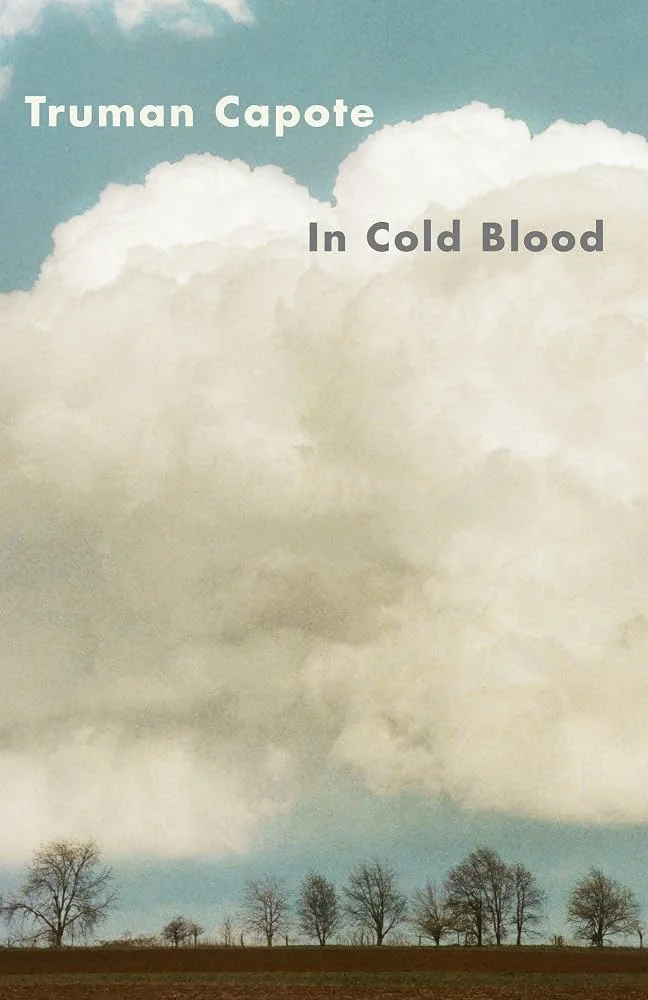
We’ll start with the latter, and here’s I’m suggesting my first nonfiction for the calendar—In Cold Blood by Truman Capote.
You may recognize that name, as he’s the author of Breakfast at Tiffany’s, plus he was good friends with Harper Lee, author of To Kill a Mockingbird. Capote was an interesting little fella, remembered as having a very unique voice. If you read In Cold Blood, you may just reach the end and think, “Huh. Something kinda weird seems to have been going on with the author and one of his subjects…” You wouldn’t be the first to speculate about that.
But, anyway, what’s this nonfiction piece about? Well, it’s tagged as “true crime” and “history” because it is both of those things, though “small-town history” might be a more fitting description. It was published in 1966 and is all about the Clutter family murders, which took place November of 1959 in Kansas. What’s significant about this book, in the larger tradition of writing, is that it’s often considered to be the prototype of the true crime novel.
This real incident, which the book features, shook the small farming community of Holcomb, as the unassuming Clutters were victims to a failed home robbery. Capote (and Harper Lee) actually traveled to the town, upon learning of the murders, to interview local residents as well as the investigators. He knew he wanted to write about what happened. What’s more, the killers were found and captured six weeks following the incident, so he was able to interview them, too, and get all the haunting and disturbing details first-hand. All of it was crafted into what became In Cold Blood.
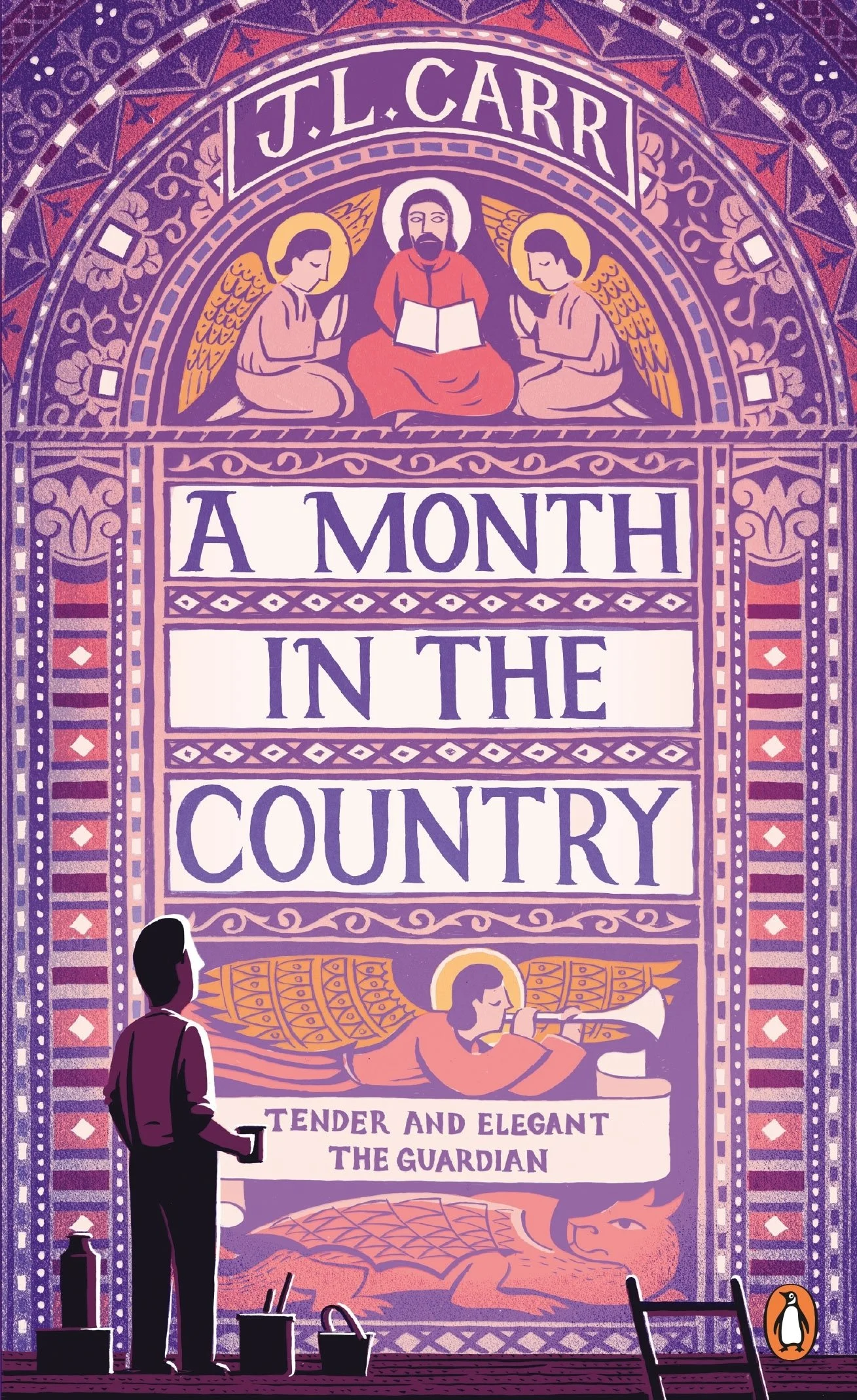
Now, on the flip side of the vibes, I’ve got just the recommendation for those readers who look at October as a very homey month, perhaps a month of nostalgia. It is A Month in the Country by J.L. Carr, and what a slim, quick, yet poignant story.
This novel was put on my radar by a book titled A Thousand Books to Read Before You Die (Mustich), and it is unexpected in all that it’s packing into its pages. We follow along as Tom, a Great War veteran, spends the summer in the small English village of Oxgodby. He’s been hired to restore a medieval mural in a local church. What happens that summer is written about as Tom’s an old man, reflecting back on it.
What Carr has done so well with this piece is striking the right notes of slice-of-life and simple yet profound yearning that a person can experience. Not the kind of yearning for another person, necessarily, but for life itself. Days that you can’t get back but wish you could. Of trying to hold onto the days you have right now that you understand are bound to slip away. He captures that human experience quite expertly and even sprinkles in dashes of humor along the way so it’s not just one Big Emotion after another. There’s lightheartedness to Tom’s reflections, though you don’t lose sight of what he’s really grappling with.
Upon my initial reading of this one, I ordered a copy for my home library and have enjoyed a re-read since then. The only reason I haven’t done a third reading is because, in all the moving that’s happened in my life in recent years, I seem to have misplaced my copy. Guess I’ll have to track one down at the library and recommend that you do, too.
November
We’re carrying on with a month that, though we may look forward to the warm gathering of Thanksgiving traditions, can be grey and somber. Vibrant colors have been shed from tree limbs, and the cold snaps at our ears. We dig out our sweaters, and we put on brave faces because winter’s just beginning and we can’t let it defeat us so soon. Though, if you recall my rant about July and August, you’ll know you’ll find me happily embracing the layering up and the crisp notes on the wind.
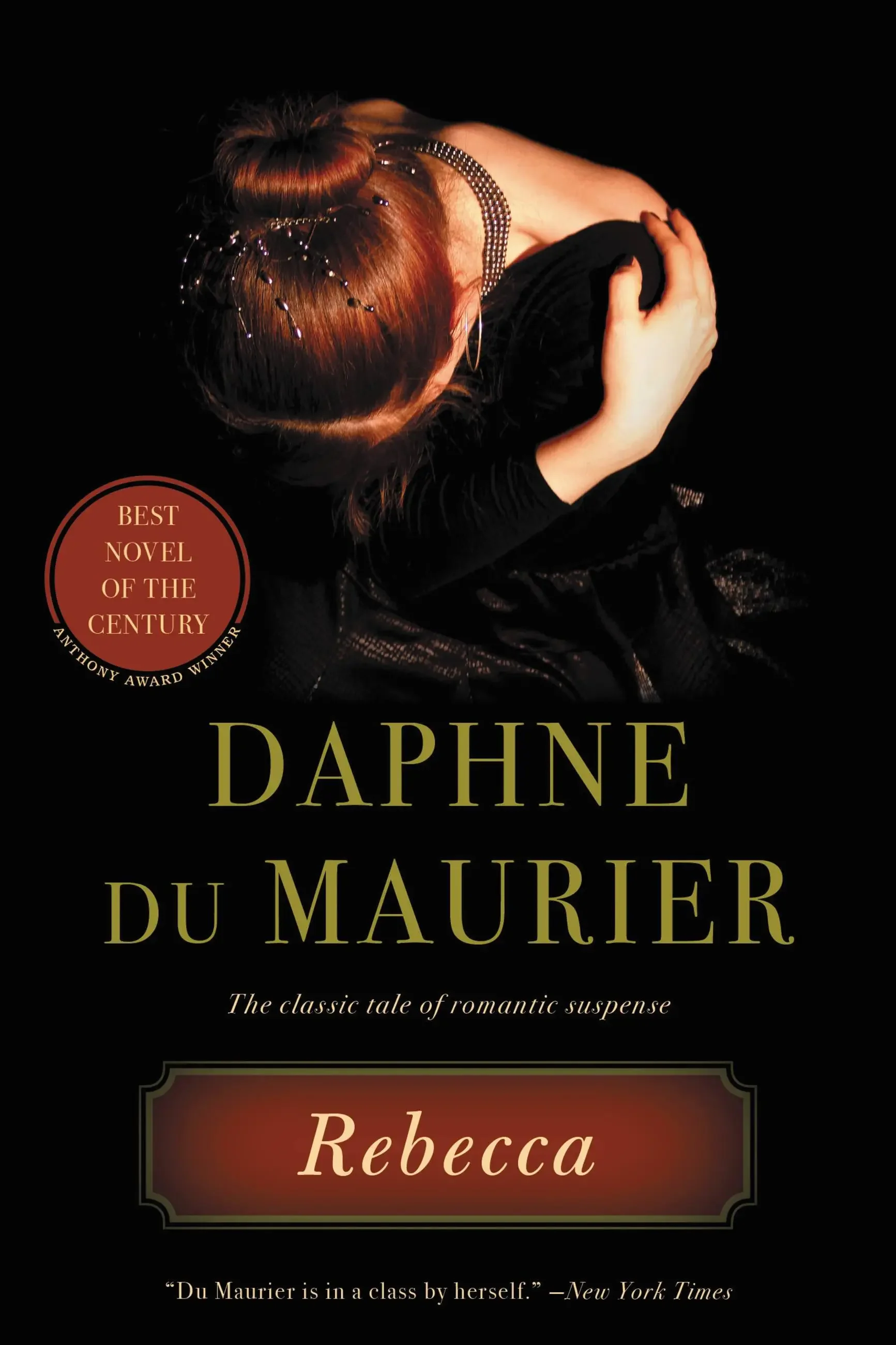
It can be the perfect time to indulge in the dark ambiance of a Gothic tale, which is why I’ve queued up Rebecca by Daphne du Maurier for you.
Rebecca is a book that’s never been out of print since it was published in 1938, and it’s been adapted to film by Alfred Hitchcock (also one more recently with Lily James and Armie Hammer), TV, and the stage. Manderley, the estate where the main character spends most of the story, is one of the most iconic settings in Classic literature.
Now, I refer to her as the “main character” because she actually is never given a name, other than the new Mrs. de Winter. You may have thought the title of this book was who our MC would be, but Rebecca is actually the character who haunts the narrative—the first wife of the wealthy widower our MC marries at the very beginning of this tale. It would seem, the more time spent around Manderley, the more times Rebecca is alluded to or out-right mentioned, that there’s something awfully suspicious about Rebecca’s passing and that Max, the husband, may not be as innocent as the MC wishes to believe.
Du Maurier is seen as one of the 20th-century’s significant contributors to the Gothic tradition, and there is no doubt about it that this story is a masterclass in the genre. Whether you end up liking any of the characters or enjoying the plot, you cannot deny how well-crafted the ambiance is, how the unsettling mood trickles out from between the pages until you, reader, can’t look away from what’s increasingly feeling like it’s going to be a train wreck, though you’re not sure you want to see what the main character does with the truth, once she uncovers it. I mean, the skill it takes to do that. Incredible.
This is an author who as a large bibliography, so, if you enjoy this one, du Maurier has more for you, one of which is probably her most famous given that it was also adapted by that Hitchcock guy: The Birds and Other Stories. So, have fun with this Gothic ambiance, if that’s your thing.
December
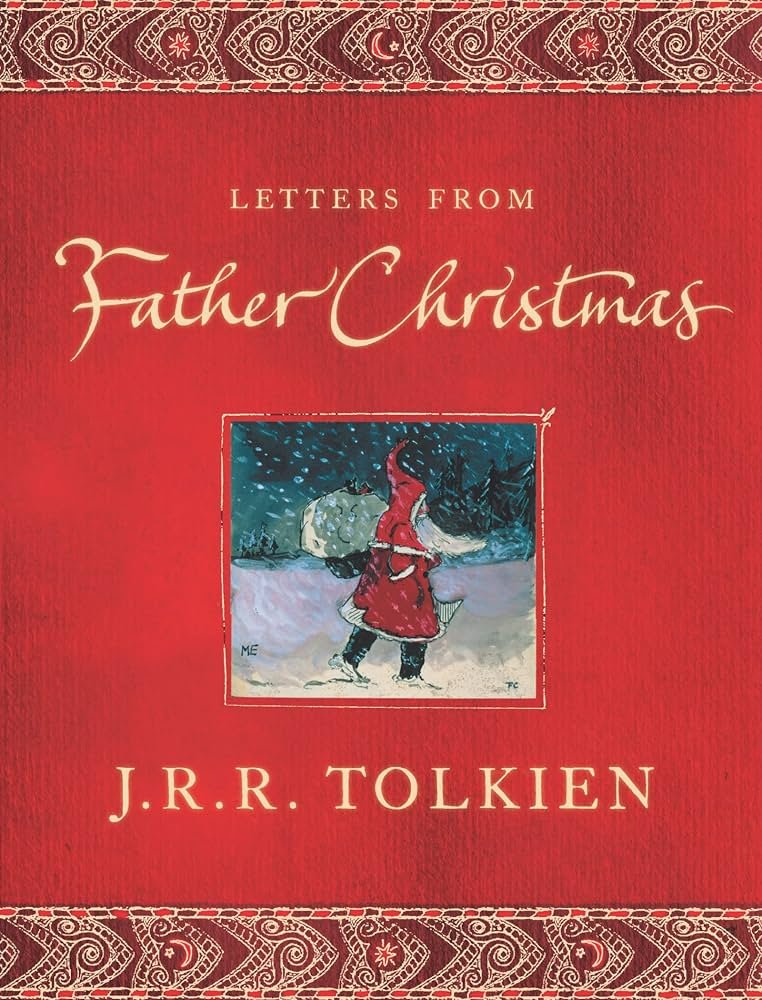
Full transparency here: the first book that comes to mind for what you should read during the cozy, feel-good, festive month of December is Little Women by Louisa May Alcott; however, that one strikes me as too well-known and too well-championed to totally fit this list. I’ll still plug it for this month because it is a perfect read for this time of year, but let me also suggest picking up Letters from Father Christmas by J.R.R. Tolkien.
Does Tolkien need an introduction or context regarding who he was and what he contributed to the tradition of literature, specifically the fantasy genre? Just how many thousands of people are glad to exist in the same time as The Lord of the Rings?
Well, in this piece that is actually a collection of letters he wrote as Father Christmas to his young children, Tolkien applies the same sense of adventure we find throughout Middle-earth to the work happening in the North Pole and the antics of Father Christmas’s sidekick, Polar Bear.
Because December can be very busy, this book is perfect to dip in and out of, as time allows. You can read one or two letters in a sitting, if that’s all you have capacity for, or you can sit down and breeze through many. In some of the correspondence, Father Christmas recounts battles with goblins that live in caves up north, and, in others, he’s got silly anecdotes of the trouble Polar Bear has been causing. To add further delight, Tolkien included illustrations of the different scenes and goings-on. There’s northern lights, evergreen trees, Father Christmas’s house (inside and out), and more.
A nice touch, with this book, is that it can pull in readers of all ages. There’s nothing too complex or too wordy, nothing beyond the mind of a child that can’t also delight older audiences. For best enjoyment, try reading it while sipping a homemade hot chocolate under a warm blanket!
Well, that’s a wrap on the recommendations! Let me know if you end up getting into any of these and what you think. I hope, even if you’re starting with other titles, that this can be your nudge to embark on your own Classics journey. Whatever you begin with just remember: you can take as much time as you need/want with it; you don’t have to be reading what everyone else is reading; and you are allowed to make up your own mind about it.
Happy reading, friends, and we’ll see you back here next week!