A Classics Calendar: Part I
Today I’m following up on what I promised last week: Classic literature recommendations.
Specifically, recommendations that you might not get as often as, say, Pride and Prejudice or East of Eden.
You’ll find six recs here, as I’m splitting this up into two posts (which you must have figured, given the title), and I’m assigning each one to a specific month because some of these books I feel can be better enjoyed when the season is aligned with it. Ambiance matching ambiance. Like how the obvious Classics rec in October is Dracula, right? Or A Christmas Carol in December.
Obviously, we may have differing opinions on what each month’s mood is, so do with this information what you will. You can pick up a book any time of the year and still thoroughly enjoy it.
But, for my mood readers, let’s dive in!
January
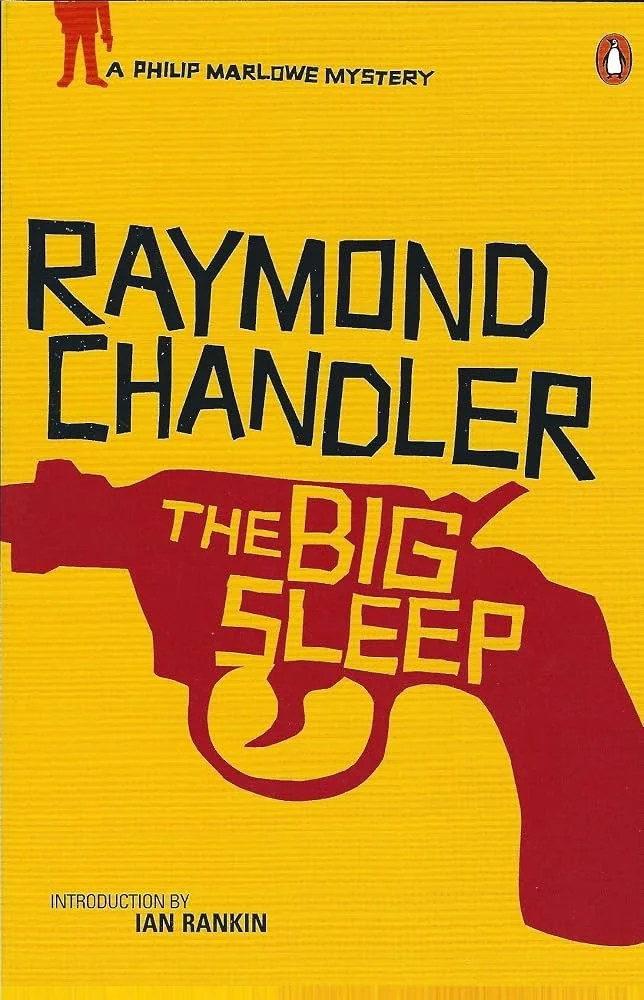
The first month of the year is often received in two, general ways. You’re either invigorated by the fresh start and the new goals you’re excited to give your energy to, or it feels like the longest, coldest, darkest month ever.
What you read, then, is a Classic that won’t be too much to commit to (and, therefore, won’t kill your momentum) and will offer you an easy escape into an entertaining plot (so you can forget, for a spell, that January does, in fact, have 31 days). That Classic is The Big Sleep by Raymond Chandler.
You may pick up this detective thriller and think, “My gosh, is this not all the cliché mystery-noir elements I’ve seen in every old, black-and-white movie?” And that may be so—but this book came before all that.
The Big Sleep was published in 1939 and features Philip Marlowe, otherwise known as fiction’s original private eye. The hardboiled crime fiction genre’s roots, in novel form, hark back to this piece, and that’s an important mindset to have going into the reading experience. Because we, in 2026, are so used to the genre, and there are countless series out there with one detective or another, both contemporary and historical. Detective Marlowe helped pave the way for them.
In this first installment of what eventually developed into a series of eight primary works, he’s asked to sort out a case of blackmail for a wealthy family in Los Angeles. Naturally, the case spirals into something more as our detective uncovers hidden layers and other moving pieces. All told, the book clocks in at under 300 pages, and it does what thrillers are known for: setting a snappy pace and propelling you along to one point of intrigue/danger after the next.
Bonus is, if you like hanging out with Marlowe, you can pick up the sequels and have a whole time with it.
February
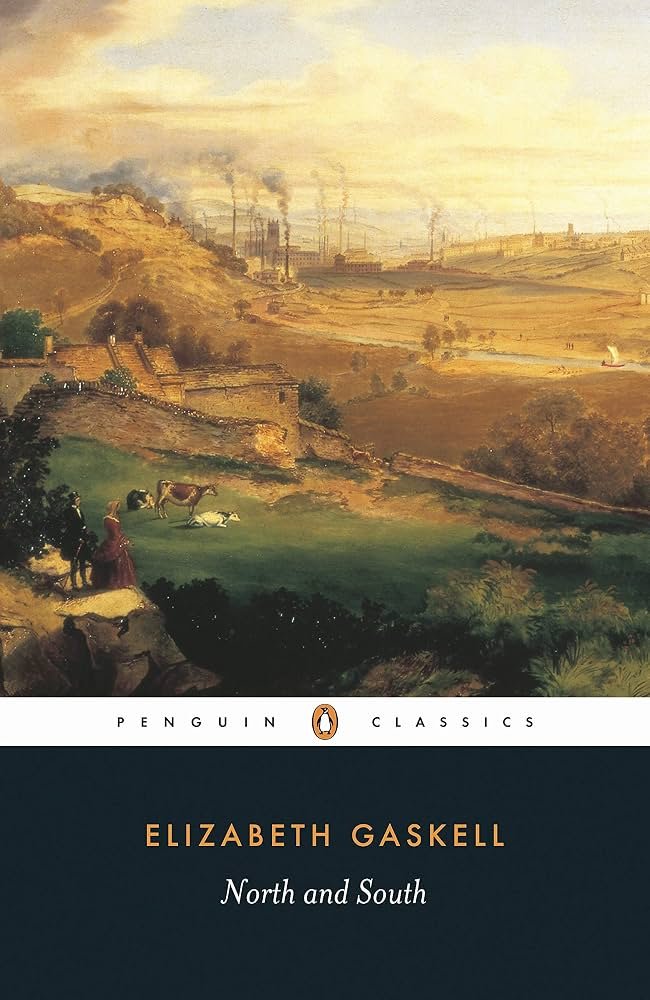
The month of love deserves a timeless tale of romance, does it not? What better to pick up than North and South by Elizabeth Gaskell?
Published in 1855, this story of enemies-to-lovers takes clear inspiration from Pride and Prejudice, and there are similarities between Margaret Hale, a young woman who moves with her parents from the south of England to a northern mill town, and Elizabeth Bennet, just as John Thornton, a mill owner, resembles Mr. Darcy. The plot, however, is where things diverge—so much for the better.
Where P&P focuses so much on relational aspects of the Bennet girls and family, with the tension between Lizzy and Darcy being a chief interest, North and South draws readers’ attentions to an external, societal issue revolving around the working class in an industrial town. Margaret is set up to befriend and then take the side of folks who are poor and unemployed in the various mills around town, enraged on their behalf over the dismal, dangerous working conditions and pay, while Thornton, though with his own background of struggle, is an opponent to the unionizing and is sort of pitched against Margaret’s cause. So much more compelling than, “Oh, no, Lydia has terrible judgement and has upset the family with her impulsive decisions.”
Anyway…
February can also, though it is the shortest of the months, feel drawn-out and dark. Curling up with this Classic and a warm beverage is just what you need to stay cozy. If you like it, consider watching the 2004 BBC adaptation of it. The BBC produced a very faithful mini-series that’s incredibly well-done.
As for Ms. Gaskell, she has a handful of novels and novellas, should you wish to dive into another of hers. She also wrote the first influential biography of Charlotte Brontë (Jane Eyre, anyone?), and that’s pretty neat because Gaskell actually knew Brontë.
March
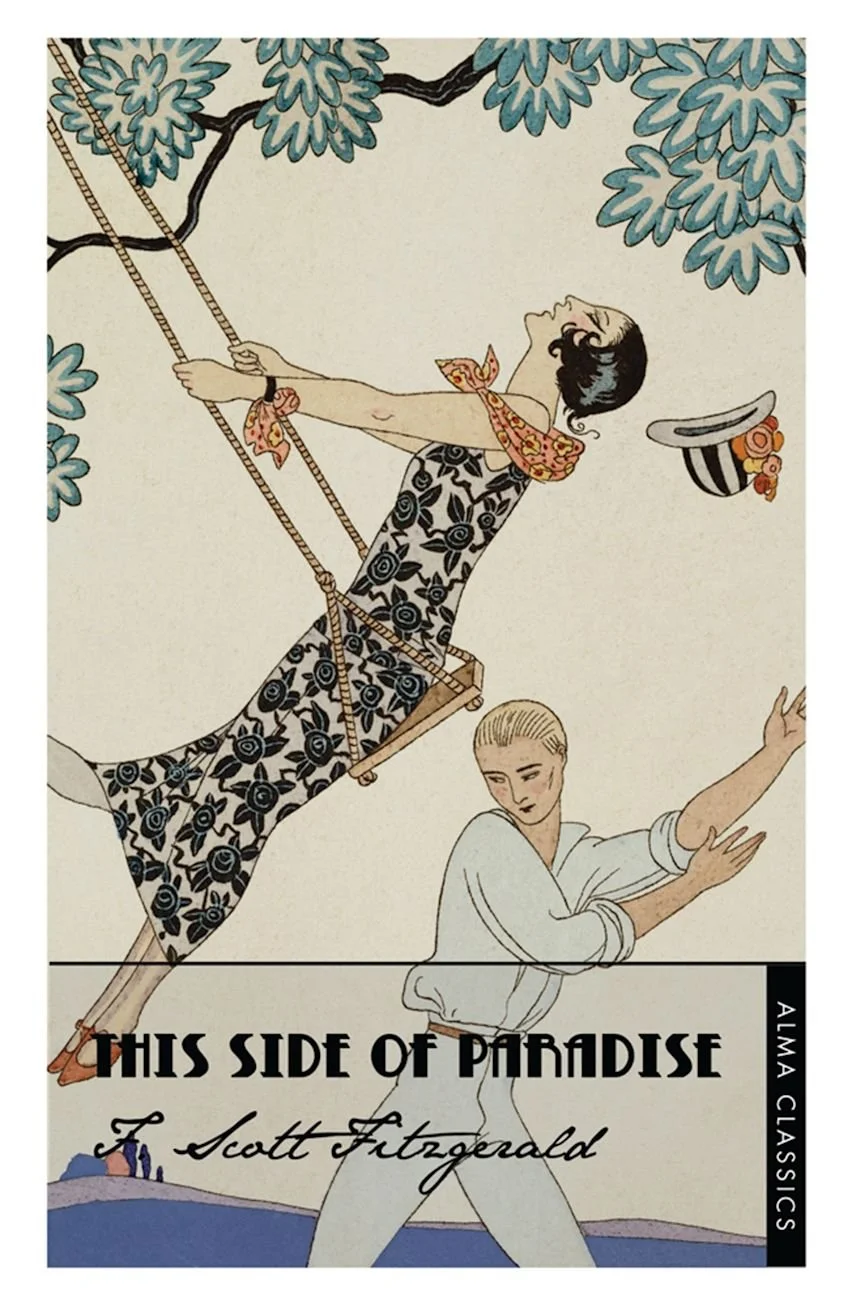
March is an in-between to me. Where I’ve lived, it’s not quite winter still, yet we’re not into spring. One day could be climbing towards warmth and the next the wind is sharp and chilly. In-between also means travels, as it’s spring break month for people with school-aged children or those in college
F. Scott Fitzgerald, in his book This Side of Paradise, seems to get the in-between. Gatsby is Fitzgerald’s most famous piece, but this one was his debut in 1920. He examines morality and the carefree youth of 1910s America through the character of Amory Blaine, a student at Princeton University.
Amory spends the entire book doing what many young adults do: searching. Searching for purpose, a destiny he believes is awaiting him. Searching for romance. Searching to understand what his life will be once he returns from WWI, once he’s in a lifeless job, once his mentor passes.
I don’t think this reads as quickly as The Great Gatsby, so it may require a little more of your time. But it’s slim enough you can tuck it into a purse or a carry-on. Besides, it’s the kind of story that’s inviting you to take your time and mull over the themes it’s exploring. This would be a great one, too, to give annotating a try with, if you’re interested in developing that skill.
April
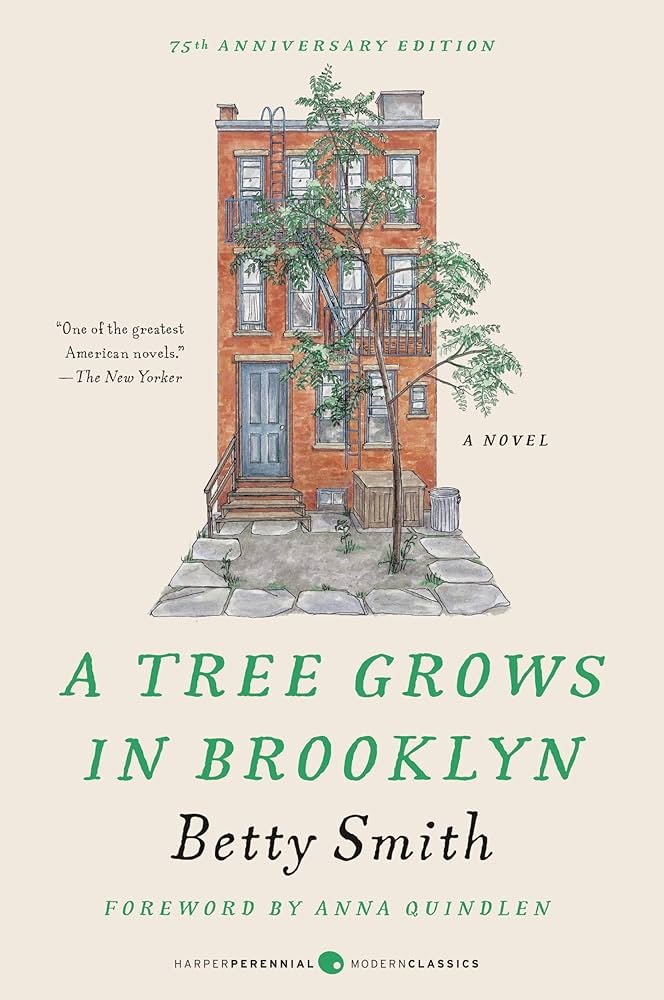
When the world is thawing and blooming, we—or maybe just me—think of books that are like a window opening in the mind, admitting fresh air and clearing out the hunker-down-days. To me, this is a great time for a coming-of-age story, which Betty Smith gives us in A Tree Grows in Brooklyn.
Francie Nolan, our protagonist, is eleven years old, when we meet her, and we get to see her grow up, by the time her tale draws to a close. What happens in between those points is slice-of-life, family-oriented, and endearing. We spend time with all the Nolans, plus the aunts who are so influential to Francie. It’s the highs and the lows, the ebbs and the flows, of existence that could be boring and uneventful, yet Ms. Smith has written them in such a compelling voice that it’s got you engaged the whole way through.
I love that this is a Classic and has been so loved since its publication in 1943 because it’s a great testament to the fact that you don’t need thrilling, daring adventure or sweeping romance or the cleverest of revenge plots to hook a reader. There is plenty in the ordinary, everyday that will keep, that will make for a timeless tale.
As of this writing, I’ve read this piece and one other by Smith, Tomorrow Will Be Better. I have one more of hers on my list, Joy in the Morning, and it seems she preferred writing about girls from Brooklyn. Also seems like some of the stories she tells pulled from events in her own life, which could be why people find her stuff real and relatable. It’s all been written by a woman who was simply trying to process her life through words.
May
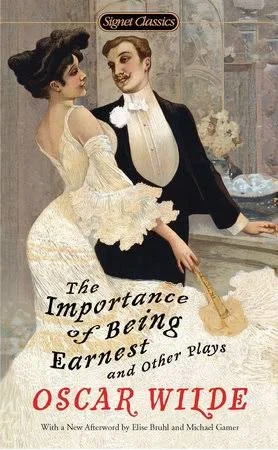
What days of bubbling, busy joy and the earth coming all the way back to life. It is spring and sunshine and refreshing rain and warmth. In essence, May is a giggle of a month, which is why it’s the perfect time to pick up The Importance of Being Earnest by Oscar Wilde.
In this riotously hilarious play, two young men are trying to woo the women they love by pretending to be the same man, some guy named Ernest. It’s not that the ladies are enamored with a different individual by that name; they’ve been led to believe that that’s the name of their respective suitor. So, things get confused and tangled up, and you’ve got to reach the end to see if the couples get it all sorted out for their happily-ever-afters.
And what you do along the way is literally laugh out loud. You’ll be delighted by the witty lines, and the silliness won’t come across as vapid or stupid but simple fun. You’ll finish it—probably in one sitting because it’s not even 100 pages of script—and wonder if you shouldn’t read it through once more. If you’re like me, you’ll even track down a copy for your own shelves.
Now, it really may seem preposterous, this plot, but you should know it’s meant to. It’s a farcical comedy, so the absurd or far-fetched or exaggerated needs to be played up. As for themes being explored, there are parallels to Wilde’s most popular work, The Picture of Dorian Gray, without dipping into the morose, somber, Gothic side of storytelling. The commentary Wilde is making is all wrapped up in lightheartedness, making it a sunny-skies, beautiful day kind of read.
June
How I chose this month’s Classic has less to do about ambiance (sorry) and more to do with time. Specifically, how much is left in the year.
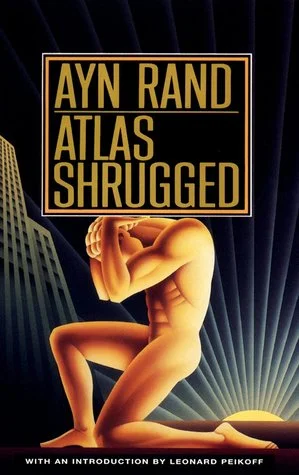
When you reach the six month mark, you go, “How is half the year gone already?” and maybe you’re like me and evaluate where you’re at with those goals you set back in January. You check-in on your progress and what you’ve tackled thus far. If one of your goals is to prioritize a chunky Classic, you don’t have a moment to lose. June still gives you plenty of time, but only if you want to be guaranteed that you can take your time. So, go ahead and pick up Atlas Shrugged by Ayn Rand.
Rand definitely has a reputation for writing heady, philosophical stuff. She’s literally known for developing the philosophical system of Objectivism, and her most famous book, The Fountainhead, intimidates many readers. Even Atlas Shrugged had me a little wary about just what kind of challenge I was taking on by sittin’ down with it.
Which is why I was beyond delighted by how much I enjoyed the reading experience and all the ways the plot prompted great thinking.
With this story, we step into a dystopian America where a railroad executive and a steel magnate are working as hard as they can to keep their respective companies afloat in the midst of impossible laws and regulations being passed. Everything boils down to two mindsets: either you champion the right to put your mind to a task and see what your grit, cleverness, and determination can get you, or you subscribe to the belief that convenience and wealth should be accessible at equal levels to all citizens, even if someone’s put in zero effort or not done a day of honest work in their life. Our main characters are doing everything they can to fight against the latter.
I understand this may sound dense and not at all thrilling, which I can understand. I spent a whole month taking my time with this read and savoring every chance I got to sit with it. Because what I’m telling you is that it was a feast for the mind. I found myself thinking about the story often, comparing ideas and questions posed in the fictional world to the things happening in our real one. It generated good conversations I had with my husband. I’m already thinking about when I’m going to re-read it and how I want to spend even more time with it, annotating and digging into supplemental material.
That got a little long-winded, so we’re pausing here. Join me next week for Part II!