(& Guidance for Doing So)
One of my on-going, creative works has been what I dubbed my “Classics Project,” and I’ve written about it here on the blog before. Not only does it involve reading a specific list of “Classic” literary pieces, but I have a scoring rubric for each one and do a small write-up of my reflections/impressions. It’s those snippets I want to talk about today, generally, and offer some guidance, when it comes to writing book reviews.
I’ve been rating and reviewing books, for my own personal pleasure, since the fifth grade. As you can imagine, my beginning efforts were nothing too impressive, and I’m sure there are folks who catch sight of a review I leave on Goodreads now and they might think the same thing.
So, I’m not claiming to be an expert reviewer, but I’ve been writing them long enough to offer some guidance, especially for the reader who’s a hesitant reviewer. Who’s maybe a touch self-conscious about their writing or feel that sharing their thoughts is too vulnerable.
Let me first tell you this: Sharing your thoughts about what you read, creating the opportunity to start a conversation or enter into an on-going discussion about a story, enhances the reading experience. As much as reading is a solitary activity, it doesn’t need to stay siloed and isolated. There are numerous ways of interpreting a single story, and getting the chance to hear someone else’s thoughts on a particular character or plot never fails to deepen my understanding of either a.) the story itself or b.) my understanding and feelings of it.
That stories are consumed at an individual level instead of in more community is actually a relatively new development, in the history of storytelling. People have been sharing tales with one another since the beginning of time, and it was long an oral tradition. Obviously, technological developments had to happen for the physical book to be invented and made accessible. Even then, books required a certain amount of wealth to acquire, so getting stories in serial form through newspapers or magazines—and then reading them aloud as a family or some collective group—was a norm.
The social aspect tied to this pastime actually brings me to my first suggestion, when reviewing. I’m advocating for a meeting of minds and sharing experiences, but that’s something you can build up to. If you’re not ready for that, try this: Begin with you as your sole audience.
Because sharing your writing and thoughts can be vulnerable and you can feel self-conscious about it, don’t shove yourself off the deep end and force yourself to swim where you aren’t comfortable yet. No one’s out here forcing you to create a Bookstagram account and post about everything you read. Remember how I started writing reviews as a fifth grader? Well, guess what? I didn’t start posting public reviews until I was in college.
And since your reviews are only you-facing, you can play around with how you go about them. I highly recommend reading other people’s reviews on Goodreads or StoryGraph to get a sense of the structure you like. You can get good inspiration from browsing reading journals at your local bookstore, too. I saw a page from someone’s journal on Instagram that had a review feature I liked, so now mine has a space for me to not only rate the book (out of 5) but to rate How Engaging the story was and the story’s Ease of Reading. The reason I include those in my assessment is because they tell me a little bit more than just the overall rating does.
Which is really a key point of building your reviewing skill. You’re working on better articulating more than simply, “I liked this book,” or, “I didn’t like it.” You’re fleshing out the why. You’re critically thinking about the messaging communicated by the characters, the layers that made the plot interesting, and the development (or lack thereof) that played out. Maybe you’re like me and you can’t help but pay extra attention to the technical aspects, so you’re critiquing the wordsmithing or stylistic choices of the author.
All of these pieces you’re reflecting on and assessing create what is a nuanced opinion so that, if someone were to ask you about a book, you’ve already gathered your thoughts and can give them a good answer.
Let’s be clear, too, that “good” does not translate into a review that could double as an academic essay. In my book, “good” means you dug deeper than the surface. “Good” means you could tell me which character you really liked and why. “Good” means you can talk about either how a plot pulled you in or failed to do so. “Good” is incredibly broad yet reflects thoughtful engagement.
It’s one of my whole gripes about people telling me I need to read a book because it’s a “Classic.” And that’s the whole reason they give. On the one hand, certain things of quality are implied because you give a book that label; on the other, I’ve read too many “Classics” at this point that are straight garbage. Maybe it’s arrogant, but a book supposedly in that category still has to prove itself to me.
However, if I am skeptical, about any book, what convinces me I should give it a try is hearing someone’s enthusiasm for it. Because I can read a synopsis or see a certain genre’s been tagged and immediately think, I’m gonna skip this one. There’s a chance someone out there could change my mind, though.
Which brings me to my next suggestion: Don’t shy away from your opinions, even if you’re in the minority.
I cannot tell you the number of popular, well-loved books I’ve absolutely trash-talked with no shame. Why? Not because I want to be an outlier or different but because those books failed to deliver, in my estimation. I am allowed to think that. I am allowed to be an avid Ernest Hemingway dissenter. I am allowed to think Jane Austen is over-hyped. I am currently in the midst of finishing up the seventh volume of In Search of Lost Time (Proust), and you better believe I’ve been sharing my utter disgust over each installment on my Goodreads page.
At the same time, I am always trying to figure out how to perfectly word my reviews for the books I positively adore and couldn’t get enough of so that other readers out there can know they should add those to their tbr immediately! The pendulum must swing both ways. I have a list of titles and points to make, should someone ask me about terrible pieces of literature, and I have recommendations at the ready, just waiting to be asked by someone what I think they should read next.
And, speaking of recommendations, I have a final thought on something to think about, once you get to a point where you’re ready to go public with your reviews: Take a step back from your personal reading experience and answer the question, Who might this book be for?
I usually like to think about this question, when it comes to the books that land in the 2.5 to 3.5 rating range. That usually means there were aspects of the book that worked for me, yet there were some that didn’t quite draw me in. That could be a me thing; not every book is going to find in me a good audience.
Still, with those books, I can tell there’s glimmers of a solid story. Glimpses of compelling characters or a theme that’s on the cusp of being well-explored. For whatever reason, my reading preferences weren’t lit up nor was I pleasantly taken by surprise, but there’s a sense that some other reader could be invested in what didn’t land with me.
If that’s the case, in my review, I might write something like, Readers who enjoy [insert comparable title or author] may appreciate a similar style of writing found here. Or I could write, Readers who enjoy enemies-to-lovers and the Golden Age of Hollywood may like what this story has to offer.
Point out what is specific to be highlighted for niche audiences while staying general so as not to spoil anything. Being able to draw in other comparable titles, too, can be really helpful since that provides context and gives a prospective reader a frame of reference. Like, if I read a review that says a book is similar to A Gentleman in Moscow (Towles), I’m immediately intrigued. That’s currently my favorite book of all-time, and, of course, I want to know about a potential reading experience that could be just as phenomenal.
How you end up sharing your opinions to draw readers to a specific text (or direct them away, if it was that awful) is up to you—the format, the voice, the platform—but I hope you know it is important to be sharing. I hope, too, that you don’t overthink your writing or doubt yourself.
Finally, to conclude, I thought I’d share a few examples of the various ways I’ve expressed my thoughts about various books. If you take away anything from them, it should be these two things: it’s not that serious, and the act of reviewing should be just another step in enjoying a reading experience.
The following three reviews are the most-liked on my Goodreads page, which is linked on my homepage, if you want to follow along on there!
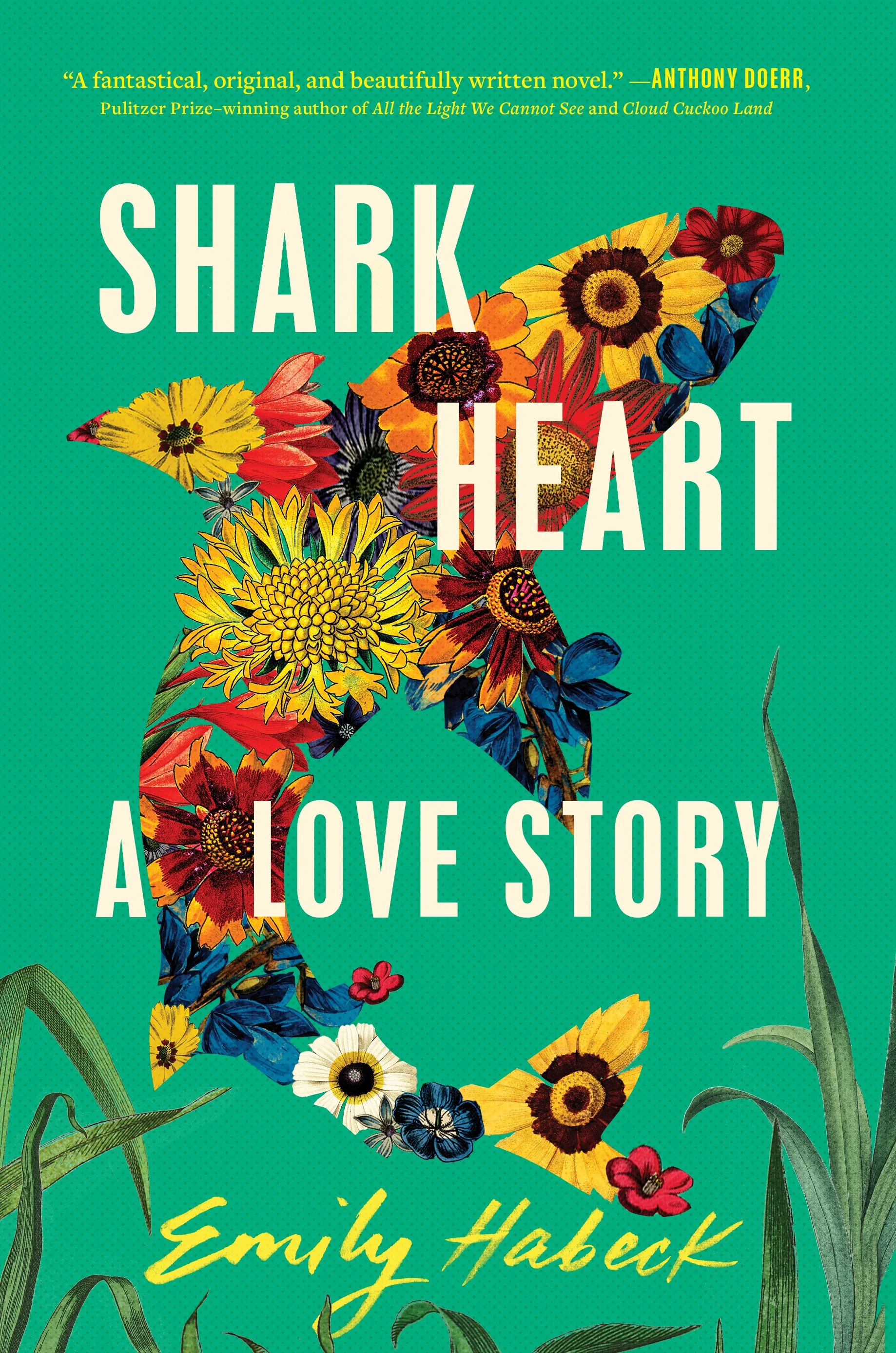
Shark Heart (Habeck): I knew going into this that it’d be a story requiring readers to do a considerable amount of suspending their disbelief, but it’s not the premise of this guy transforming into a great white shark that’s getting me. This book wants to be Unique; however, it comes across as trying too hard to do so.
This book seems to be a story for those people who ask their partners, “Would you still love me if I was a worm?” and then expect to get a serious answer in response.
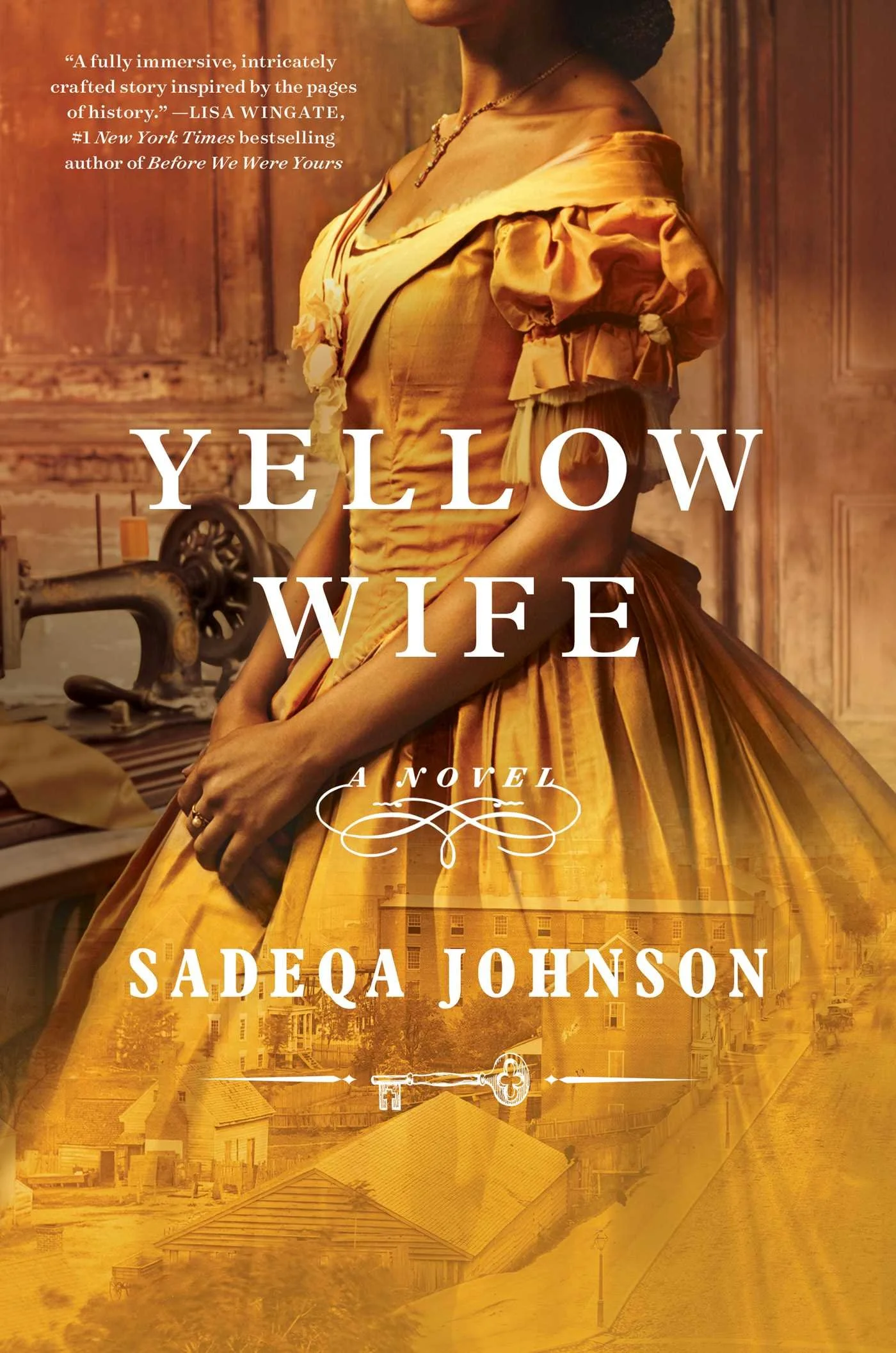
Yellow Wife (Johnson): My rating has less to do with the content and more to do with the presentation and craftsmanship. This book did not shy away from the gruesome realities of slavery, which was necessary; however, everything was told in a way that was like a long train of “And this happened and then this and this and this and this…” Events happening without the magic of story connecting them.
The time within the narrative passed too quickly. At the end of one chapter, we were with Pheby in her sewing shed grappling with something incredibly heavy that I felt should have been processed more only to start the next chapter and discover four months had passed with nothing to latch onto aside from knowing that a traumatizing thing had occurred. Every character was full of cliché things to say and do, and it felt like they were just plugged into the narrative equation because the things that took place needed to be noticed and someone simply had to be around as a character living through it but without any real depth. Pheby remained static.
This shallowness of action and emotion was everywhere, and, in particular, it bothered me how it was written in the snippets of Pheby giving birth. I don’t need pages and pages of agonizing labor. But, in this story, how it was presented was that Pheby’s water would break and then two minutes later she’d pop out a kid. Every time. Which didn’t make sense when, at the very beginning of the book, there was another character who spent two friggin’ days in labor. That came across, to me, as the author deciding they didn’t want to spend time on Pheby giving birth, felt they needed to include it for whatever reason, and slapped a couple of lazy sentences in.
This story deserves to be fleshed out, and I don’t understand why it wasn’t given space to.
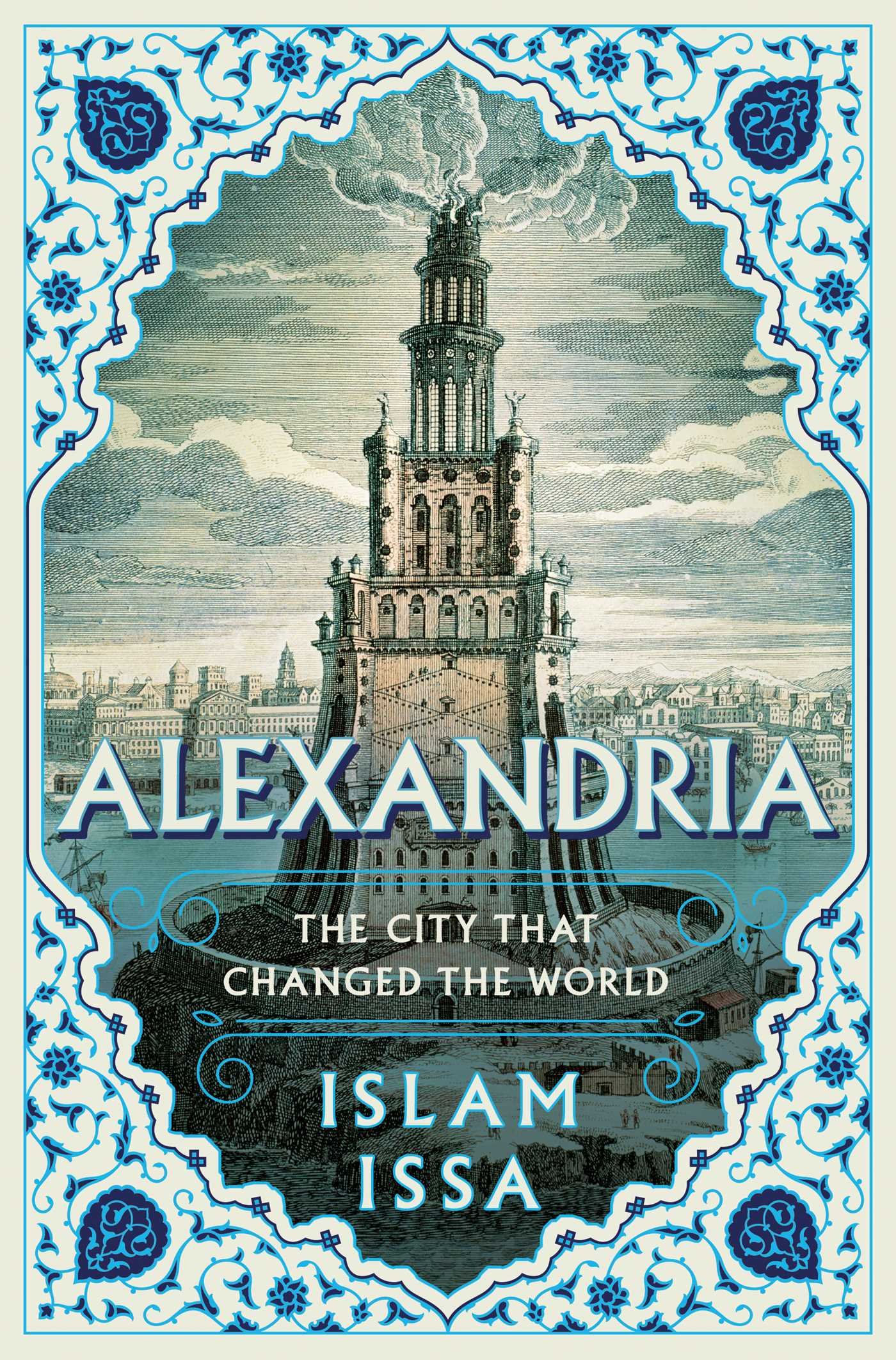
Alexandria: The City that Changed the World (Issa): It’s a real pleasure to read about a place that’s very clearly been written by someone who simply adores it. Alexandria—both its history and current times—is dear to the heart of this author, and, to me, reading this was like sitting down with someone, asking them, “Why do you like this thing so much?” and them pulling out a binder of information and being like, “I’m so glad you asked. Let me tell you everything…”
I learned many things and was interested the entire time. This month was busy, so I didn’t always have the focused time I wanted. But, when I did sit down with this book, I enjoyed it and appreciated the history lesson. I can see myself tracking down texts on some of the figures mentioned here from ancient history. Glad I picked this one up on a whim at the library!